

Exploring the ways in which schools can actively engage in National Nutrition Month, this introduction sets the stage for an enlightening discussion on promoting healthy eating habits among students. With a focus on innovative approaches and successful initiatives, this article aims to inspire schools to make a positive impact on nutrition awareness.
Providing valuable insights and practical tips, the following paragraphs will delve deeper into the key aspects of integrating nutrition education, creating healthy food options, and engaging the school community in fostering a culture of healthy eating practices.
Importance of National Nutrition Month in Schools
National Nutrition Month plays a crucial role in schools by promoting healthy eating habits among students and raising awareness about the importance of nutrition in overall well-being.
Significance of National Nutrition Month
- Educates students about the benefits of a balanced diet in maintaining good health.
- Encourages schools to provide nutritious meal options in cafeterias.
- Promotes physical activities and healthy lifestyle choices alongside proper nutrition.
Ways Schools Can Actively Participate
- Organize nutrition workshops or seminars for students, parents, and teachers.
- Create nutrition-focused challenges or contests to engage students in learning about healthy eating.
- Collaborate with local farmers or food vendors to source fresh, locally-grown produce for school meals.
Examples of Successful Initiatives
- Implementing salad bars in school cafeterias to offer a variety of fresh fruits and vegetables.
- Integrating nutrition education into the curriculum across different subjects.
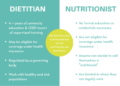
- Partnering with nutritionists or dietitians to provide personalized guidance to students with specific dietary needs.
Integrating Nutrition Education into Curriculum
Integrating nutrition education into the curriculum is essential for promoting healthy habits among students. By incorporating nutrition lessons into various subjects, schools can help students develop a better understanding of the importance of healthy eating habits.
Benefits of Teaching Students about Nutrition
- Improves overall health and well-being: Teaching students about nutrition from an early age can help them make healthier food choices and lead a healthier lifestyle.
- Enhances academic performance: Proper nutrition is linked to better cognitive function, concentration, and academic performance in students.
- Promotes lifelong healthy habits: Educating students about nutrition early on can instill lifelong healthy eating habits and reduce the risk of chronic diseases later in life.
Innovative Ways to Make Nutrition Education Engaging
- Interactive cooking classes: Organize cooking classes where students can learn to prepare healthy meals and understand the nutritional value of different ingredients.
- Garden projects: Create school gardens where students can grow fruits and vegetables, teaching them about the importance of fresh produce in a healthy diet.
- Nutrition-themed games: Develop educational games or activities that make learning about nutrition fun and engaging for students.
Creating Healthy Food Options in School Cafeterias
Ensuring that school cafeterias offer nutritious and balanced meal choices is crucial for promoting healthy eating habits among students. By providing healthy food options, schools can support student well-being and academic performance.
Strategies for Offering Nutritious and Balanced Meal Choices
- Include a variety of fruits and vegetables to provide essential vitamins and minerals.
- Offer whole grains, lean proteins, and low-fat dairy options to create balanced meals.
- Limit the availability of sugary drinks and snacks high in saturated fats and sodium.
- Provide nutrition information and promote healthier choices through menu labeling and educational materials.
Importance of Involving Students in Selection and Preparation of Healthy Foods
Involving students in the selection and preparation of healthy foods can increase their awareness of nutrition and empower them to make healthier choices. When students have a say in cafeteria offerings, they are more likely to try new foods and develop lifelong healthy eating habits
Examples of Schools with Successful Healthy Food Programs
- Green Bronx Machine in New York City integrates gardening and healthy cooking into the curriculum, providing students with hands-on experience growing and preparing fresh produce.
- The Food Trust's HYPE program in Philadelphia partners with schools to improve cafeteria options and educate students about healthy eating, leading to increased consumption of fruits and vegetables.
- The Farm to School program in Oregon connects schools with local farmers to source fresh, seasonal ingredients for school meals, promoting sustainability and supporting the local economy.
Engaging Students, Parents, and Staff in Promoting Nutrition
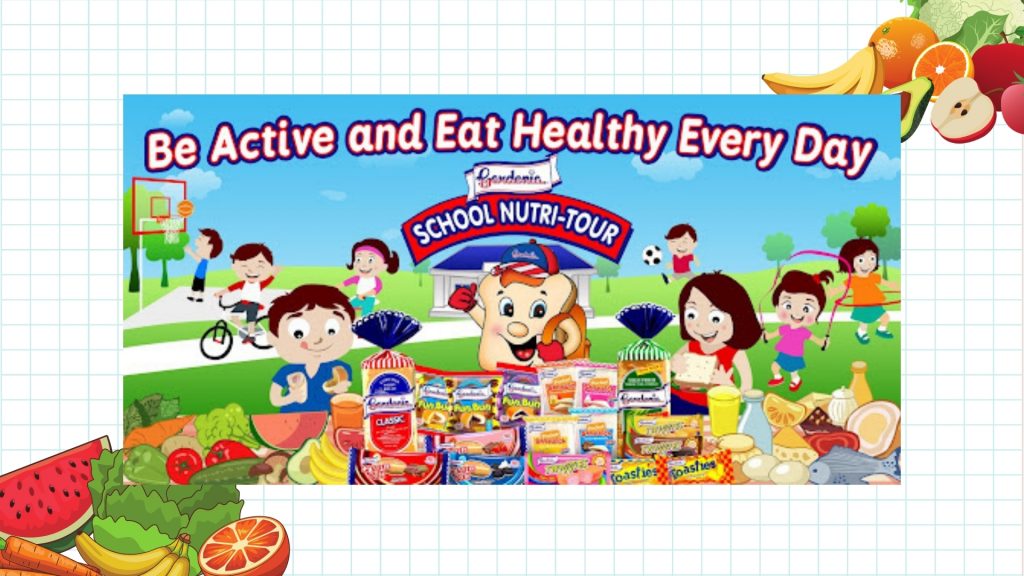 To create a culture of healthy eating in schools, it is essential to engage students, parents, and staff in promoting nutrition. By involving all stakeholders, you can foster a supportive environment that encourages positive eating habits and overall well-being.
Ways to Involve Students, Parents, and Staff
- Organize nutrition workshops and seminars for students, parents, and staff to educate them about the importance of healthy eating.
- Encourage student-led initiatives such as healthy cooking competitions or creating nutrition awareness campaigns within the school.
- Involve parents in menu planning for school meals and seek their feedback on the quality and variety of food offered.
- Provide staff training on nutrition guidelines and promote healthy eating habits among teachers and other school personnel.
Role of Community Partnerships
Community partnerships play a crucial role in supporting nutrition initiatives in schools by providing resources, expertise, and additional support. Collaborating with local organizations, health professionals, and businesses can enhance the impact of nutrition programs and ensure sustainability.Tips for Creating a Supportive Environment
- Offer a variety of healthy food options in school cafeterias and vending machines to promote balanced nutrition.
- Implement nutrition education into the curriculum to reinforce healthy eating habits in the classroom.
- Create a positive food environment by limiting the availability of sugary drinks and snacks high in fat and sugar.
- Celebrate achievements and milestones related to nutrition to reinforce the importance of healthy eating practices among students, parents, and staff.
Closing Notes
In conclusion, How Schools Can Actively Participate in National Nutrition Month offers a comprehensive guide for schools looking to prioritize nutrition education and promote healthy lifestyles. By implementing the strategies and examples shared in this article, schools can play a vital role in shaping the dietary habits of students and creating a supportive environment for overall well-being.
FAQs
How can schools involve students in promoting healthy eating habits during National Nutrition Month?
Schools can organize nutrition-themed events, cooking competitions, or workshops to actively engage students in learning about healthy eating habits and making informed food choices.
What are some creative ways to integrate nutrition education into different subjects in school curriculum?
Teachers can incorporate nutrition concepts into science experiments, math problems related to food measurements, or history lessons exploring the cultural significance of different cuisines.
How important is it for schools to offer nutritious meal choices in cafeterias?
Providing balanced meal options in school cafeterias is crucial for promoting healthy eating among students and ensuring they have access to nourishing foods that support their overall well-being.
What role do community partnerships play in supporting nutrition initiatives in schools?
Community partnerships can provide resources, funding, and expert guidance to help schools implement effective nutrition programs and initiatives that benefit the entire school community.
How can schools create a supportive environment that encourages healthy eating practices among students, parents, and staff?
Schools can organize wellness challenges, nutrition workshops for parents, and staff training on healthy meal preparation to cultivate a culture of wellness and promote positive dietary habits.