

Registered Dietitian vs. Nutritionist: What is the Real Difference? sets the stage for this enthralling narrative, offering readers a glimpse into a story that is rich in detail with casual formal language style and brimming with originality from the outset.
In this article, we delve into the distinctions between a registered dietitian and a nutritionist, shedding light on their educational requirements, scope of practice, and the impact of accreditation and certification on their credibility and expertise.
Registered Dietitian vs. Nutritionist
When it comes to seeking professional advice on nutrition and diet, the terms "registered dietitian" and "nutritionist" are often used interchangeably. However, there are significant differences between the two in terms of qualifications, expertise, and legal regulations.
Key Differences
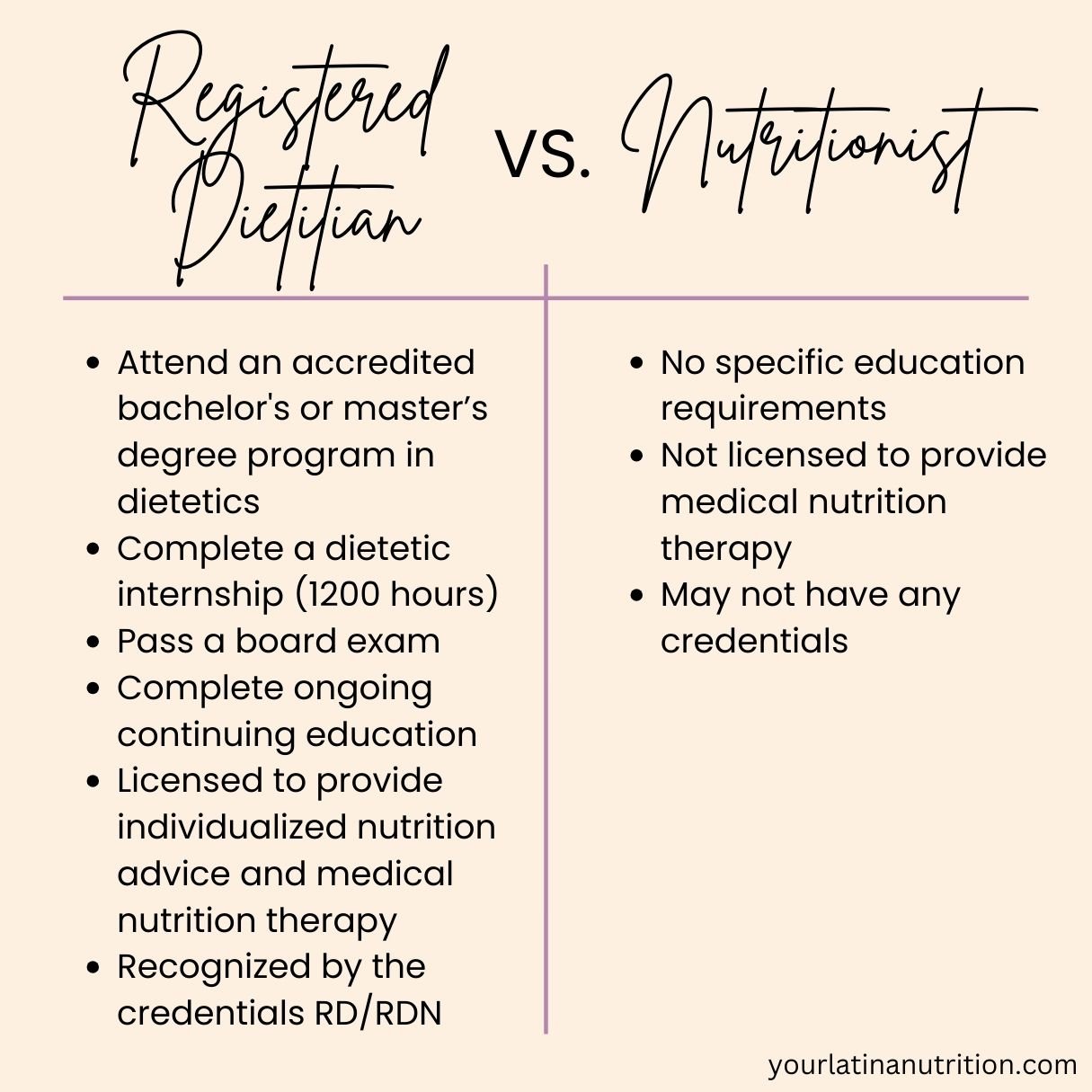
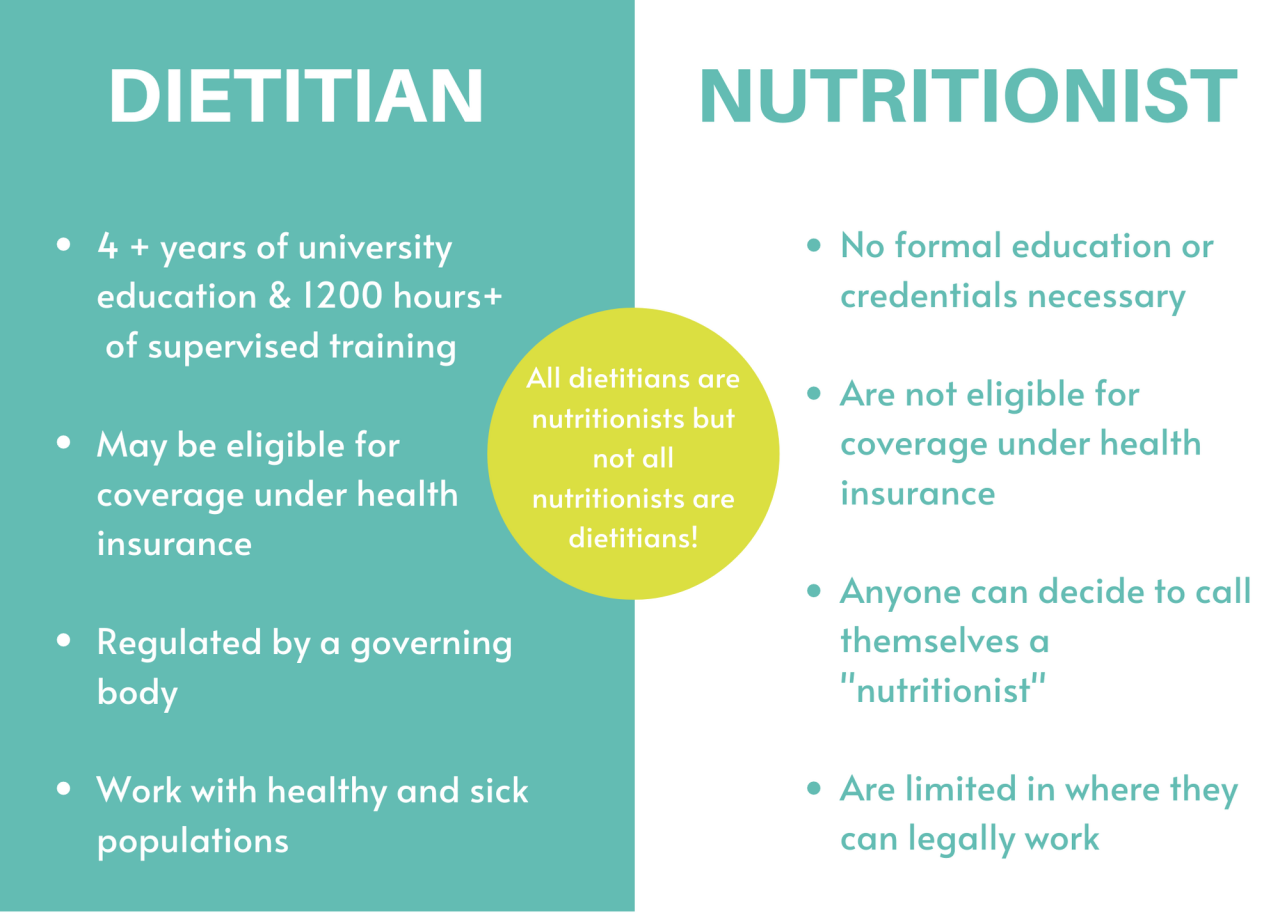
Registered Dietitians (RDs) are healthcare professionals who have completed specific academic and professional requirements to earn the credential. They are regulated by national and state licensing boards, ensuring they meet certain standards of education and practice. On the other hand, the term "nutritionist" is not legally protected in the same way, which means that anyone can call themselves a nutritionist without having formal training or certification.
Educational Requirements
- Registered Dietitians: To become an RD, individuals must complete a bachelor's degree in dietetics or a related field, followed by a supervised internship and passing a national exam. Many RDs also pursue advanced degrees or specialized certifications in areas like sports nutrition or pediatric nutrition.
- Nutritionists: The educational requirements for nutritionists vary widely. Some may have a degree in nutrition or a related field, while others may have completed online courses or workshops. Without a standardized educational path, the expertise and qualifications of nutritionists can vary significantly.
Legal Implications and Restrictions
- Registered Dietitians: Due to their regulated status, RDs have clear guidelines on what they can and cannot do in their practice. They are often part of healthcare teams in hospitals, clinics, and other medical settings, providing evidence-based dietary advice and interventions.
- Nutritionists: In contrast, nutritionists may not have the same legal restrictions or scope of practice as RDs. While some nutritionists work in private practice or wellness centers, their advice may not always be backed by the same level of scientific rigor or medical oversight as that of RDs.
Scope of Practice
Registered Dietitian vs. Nutritionist: What is the Real Difference?Registered Dietitians (RDs) have a comprehensive scope of practice that involves providing medical nutrition therapy, developing personalized nutrition plans, and interpreting lab values to optimize health outcomes. They work in various settings such as hospitals, clinics, and long-term care facilities, collaborating with healthcare professionals to manage chronic conditions like diabetes, heart disease, and gastrointestinal disorders.Scope of Practice for a Registered Dietitian
Registered Dietitians are trained professionals who have completed a bachelor's degree in dietetics, a supervised internship, and passed a national exam to become licensed. They are experts in food and nutrition science, applying evidence-based practices to assess, diagnose, and treat nutritional issues. RDs can provide services in areas such as weight management, sports nutrition, pediatric nutrition, and eating disorders.Scope of Practice for a Nutritionist
Nutritionists, on the other hand, have a more limited scope of practice compared to Registered Dietitians. They may have varying levels of education and training, ranging from a certificate program to a bachelor's degree. Nutritionists focus on general wellness and healthy eating habits, offering advice on meal planning, supplementation, and lifestyle modifications. They often work in community settings, fitness centers, and wellness programs.Comparison of Areas of Service
Registered Dietitians and Nutritionists both play essential roles in promoting health and wellness through nutrition. However, RDs are equipped to provide more specialized and clinical services due to their extensive education and training. While Nutritionists can offer valuable guidance on healthy eating habits and lifestyle changes, they may refer clients with complex medical conditions to Registered Dietitians for a more comprehensive approach. Overall, both professionals contribute to the overall well-being of individuals through nutrition education and support.Accreditation and Certification
Importance of Accreditation for Registered Dietitians
Accreditation is vital for registered dietitians as it signifies that they have completed a rigorous educational program and passed a national exam. This process ensures that they have the necessary knowledge and skills to provide evidence-based nutrition advice and medical nutrition therapy to individuals with various health conditions. Accreditation also requires registered dietitians to participate in continuing education to stay up-to-date with the latest research and trends in the field.Certifications for Nutritionists
There are various certifications available for nutritionists, depending on their areas of specialization and expertise. Some common certifications include Certified Nutrition Specialist (CNS), Certified Clinical Nutritionist (CCN), and Holistic Nutrition Credentialing Board (HNCB) certification. These certifications demonstrate that nutritionists have met specific requirements and have the knowledge and skills to provide dietary guidance and support to clients.Impact of Accreditation and Certification
Accreditation and certification enhance the credibility and expertise of registered dietitians and nutritionists. They provide assurance to clients that the professionals they are working with have undergone comprehensive training and have met specific standards of practice. This, in turn, helps build trust between practitioners and clients, leading to better outcomes in terms of nutrition management and overall health improvement.Medical Nutrition Therapy
Registered Dietitians play a crucial role in providing Medical Nutrition Therapy to individuals with various health conditions. They are trained healthcare professionals who assess nutritional needs, create personalized meal plans, and monitor the progress of patients to improve their overall health and well-being.Role of a Registered Dietitian
- Registered Dietitians work closely with patients to develop customized nutrition plans based on their medical history, lifestyle, and specific dietary needs.
- They provide education and counseling to help patients manage chronic diseases such as diabetes, heart disease, and kidney disease through proper nutrition.
- Registered Dietitians collaborate with other healthcare providers to ensure that patients receive comprehensive care that addresses their nutritional requirements.
Involvement of Nutritionists
- Nutritionists may also be involved in Medical Nutrition Therapy, but their scope of practice may vary depending on their education and credentials.
- Some nutritionists may work under the supervision of a Registered Dietitian to assist in implementing nutrition plans and providing basic nutrition education to patients.
- It is important to note that Registered Dietitians have more extensive training and expertise in Medical Nutrition Therapy compared to nutritionists.
Examples of Conditions Requiring Registered Dietitian's Expertise
- Diabetes: Registered Dietitians play a vital role in managing blood sugar levels through diet and lifestyle modifications for individuals with diabetes.
- Obesity: Registered Dietitians can help individuals achieve weight loss goals by developing sustainable and healthy eating habits.
- Cancer: Registered Dietitians work with cancer patients to ensure they are meeting their nutritional needs during treatment and recovery.
Final Review
As we wrap up our discussion on Registered Dietitian vs. Nutritionist: What is the Real Difference?, it becomes evident that these professionals play unique yet complementary roles in the realm of nutrition and wellness. The key takeaways highlight the importance of understanding the distinct differences between a registered dietitian and a nutritionist for making informed decisions regarding your dietary and nutritional needs.
Essential FAQs
What are the key differences between a registered dietitian and a nutritionist?
A registered dietitian has specific educational and professional requirements to earn the credential, while the title "nutritionist" may not be regulated and could have varying levels of education and expertise.
What is the scope of practice for a registered dietitian?
Registered dietitians are trained to provide medical nutrition therapy and can work in clinical settings, hospitals, or private practice to help individuals manage various health conditions through dietary interventions.
How does accreditation and certification impact the credibility of registered dietitians and nutritionists?
Accreditation ensures that registered dietitians have met specific educational and professional standards, enhancing their credibility. However, nutritionists may have different certifications that vary in rigor and requirements.